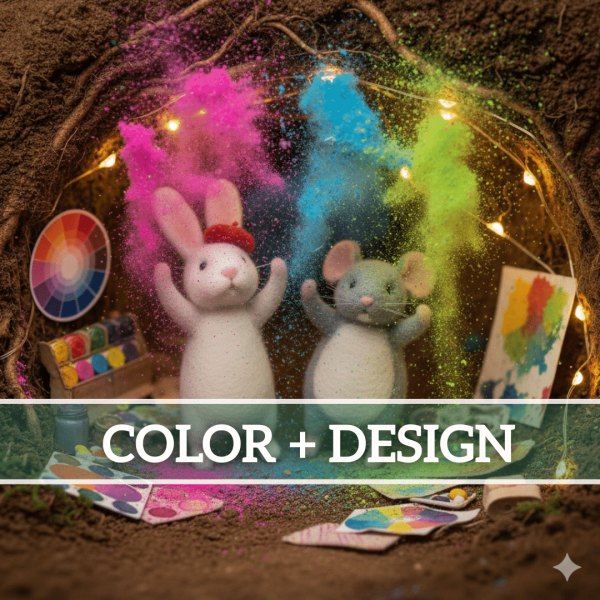
Some quilts never make it to the finish line. They get stuck halfway, pinned to a design wall, or folded into a basket until you’re ready to see them again. But here’s the secret every creative eventually learns: sometimes, the quilt isn’t the point. The process—the play, the risk, the willingness to fail spectacularly—is where real artistry begins.
We’ve all heard that Thomas Edison said, “I have not failed. I’ve just found 10,000 ways that won’t work.” Every quilter who’s ever ripped out a seam, cut the wrong size block, or watched colors clash knows that feeling. But each “mistake” isn’t wasted—it’s a breadcrumb leading you toward something extraordinary and new. Failure isn’t the opposite of success; it’s the evidence that you’re experimenting, learning, and growing. That’s why one of my favorite phrases is, “Don’t be afraid to suck at something new.”
The Risk of playing it Safe
In quilting, playing it safe—using the same palette, sticking to the same pattern—can feel comforting. Comfort isn’t bad, but if you want to do something new, you need to do something different. But comfort and safety rarely produce this newness, or surprise. Taking creative risks might mean slicing into that expensive fabric or trying a layout you’re not sure about. It might mean letting your quilt evolve mid-project, or intentionally breaking symmetry. Creativity starts when curiosity outweighs control.
So take a walk. Visit an art exhibit. Sit under a tree with a sketchbook and no plan. You’ll start to see things differently—the way light hits a wall, the rhythm of footsteps, the gradient of autumn leaves. Those small moments of noticing are what fuel new ideas when you return to the studio.
Give Yourself Permission to Play
Quilting isn’t a performance; it’s a conversation between you and your materials. Give yourself permission to play—to sew without a goal, to piece scraps that don’t match, to follow your curiosity wherever it leads. Sometimes the most beautiful discoveries happen when you stop trying to make something beautiful.
Quilting has always been about imagination, connection, and possibility. Digital Muse helps you carry that spirit into the digital age.
Hey there, I’m Theresa, The AI Quilter. I’m here to help you connect technology and creativity in ways that feel human, creative, and completely your own.