Unlocking the Magic of Color: A Peek Into My Color Class
Color in quilting is a vibrant topic near and dear to my heart. Whether you’re a newbie or a seasoned quilter, understanding color theory can completely transform your quilting projects. Let’s explore the beautiful world of colors and see what my color class has to offer.
The Importance of Color in Quilting
Color is more than just a visual element; it evokes emotions, sets the mood, and can make or break your quilt’s design. Think about the quilts that catch your eye—what do they have in common? Stunning color combinations, right? Mastering color theory helps you create quilts that are aesthetically pleasing and deeply expressive.

Don’t think color means that much?
Think again. Ever wonder why most insurance, bank, and utility companies have blue in their logos? It’s because blue evokes feelings of trust, stability, and calm—exactly what you want when dealing with your money and essential services.
And here’s a fun fact: if our blood weren’t iron-based, we might view green as the color of danger instead of red. Our perception of color is deeply rooted in biology and psychology. COLOR. IS. AMAZING. It influences our emotions, decisions, and even our physiology. So, understanding and harnessing the power of color in your quilts isn’t just about aesthetics; it’s about tapping into a fundamental aspect of human experience.
Understanding Color Theory
At its core, color theory is about understanding how colors interact with each other. Here are a few basics we cover in my class, using anxiety-free terms to make it all less intimidating:
Color Wheel: Think of the color wheel as your neighborhood map. Primary colors (red, yellow, blue) are like the main streets. Secondary colors (orange, green, purple) are the cross streets, and tertiary colors (red-orange, yellow-green, etc.) are the little side streets that add character.
Housemates, Neighbors & Visitors: Monochromatic colors are “housemates” because they live within the same color’s tints, shades, and tones. Analogous colors are “neighbors” because they’re next door to each other on the color wheel, creating a calm, harmonious look. Complementary colors are “boisterous visitors” from across the color wheel, bringing contrast and excitement…and just like most visitors of this type, a little bit can go a long way.
Value and Intensity: Value refers to how light or dark a color is, which can be thought of as how much light a color reflects. Intensity (or chroma) is about how bright or dull a color appears. Understanding these aspects can add depth and dimension to your quilts. We’ll make some funny faces as we use the “squint and blur” technique to determine value, and you’ll learn how to mix colors to adjust their intensity.
Warm and Cool Colors: Warm colors (reds, oranges, yellows) feel energetic and advance in a quilt design, while cool colors (blues, greens, purples) feel calming and tend to recede. It’s like balancing the warm coziness of a fireplace with the cool serenity of a shady tree.
Using these friendly, approachable terms, you’ll quickly grasp how to use color to create beautiful, balanced, and visually interesting quilts.
My Color Class: What to Expect
In my color class, we go beyond the basics and really get hands-on with color.
Interactive Lessons: We kick off with interactive lessons on the color wheel and color theory fundamentals. These aren’t your typical boring lectures—expect engaging, easy-to-follow lessons with plenty of visuals and real-life examples. Depending on the class type, you might even get to play with paint!
Color Challenges: The best way to learn is by doing. Throughout the class, you’ll participate in color challenges where you’ll apply what you’ve learned to “shop” for fabrics from my special class stash. These challenges are designed to push you out of your comfort zone and help you see color in new, exciting ways.
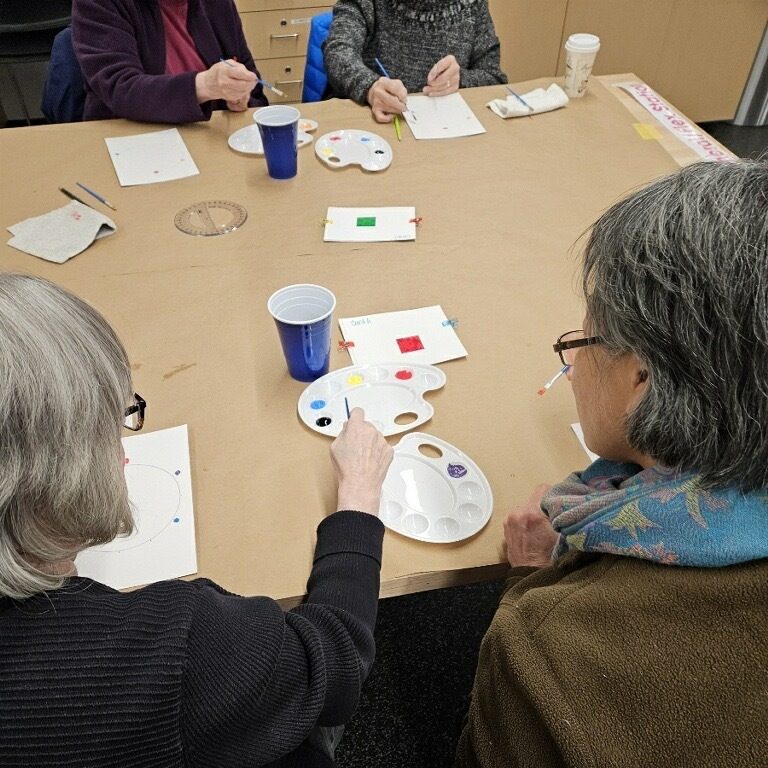
Personalized Feedback: One of the highlights of the class is the personalized feedback. You’ll share your color choices and quilt designs with your fellow classmates and me. We’ll discuss what works, what doesn’t, and how you can improve.
Color Theory in Action: We’ll look at famous quilts and analyze their color schemes. Understanding why certain quilts are so impactful can help you apply similar principles to your own work.
Building Your Palette: Depending on the class, you’ll have a curated color palette that reflects your personal style. This palette will be a valuable tool for your future quilting projects.
Testimonials from Past Students
Don’t just take my word for it—here’s what some of my past students have to say about the color class:
Jane: “I always struggled with choosing colors for my quilts. This class gave me the confidence and knowledge to create more cohesive designs. It’s a game-changer!”
Molly S: “The interactive challenges were my favorite part. They pushed me out of my comfort zone and helped me see color in a whole new light.”
Laura K: “The feedback and community aspect were invaluable. Learning alongside other quilters and getting direct input from an expert made all the difference.”
If you’re passionate about quilting and want to take your projects to the next level, this color class is for you. Whether you’re looking to create more visually stunning quilts or just want to deepen your understanding of color, this class offers the tools and knowledge you need.
Ready to join the fun?
How to Sign Up
View my class schedule to see if I’m teaching near you.
Download a brochure for more details.
Or, click the button below and request information on bringing this valuable class to your guild, community or group.
I can’t wait to see you in class and explore the world of color together.
Say Hello