Quilting Through the Decades: A Living History in Stitches
Quilting is more than a pastime—it’s a record of who we are and how we live. Across the decades, quilts have shifted from necessity to artistry, from private tradition to public statement, and now, to digitally enhanced design. Our journey through the history of quilting won’t be just about fabric. It’s about resilience, community, and creativity—stitched into every square.
Let’s take a closer look at how quilting has evolved with the times—and how those changes continue to shape the quilts we make today.
Historical Quilts (Through the Early 1900s): Function First
At the turn of the 20th century, quilting was a practical necessity. Fabric was scarce, and every scrap mattered. Quilters used worn clothing, feed sacks, and even flour bags to piece together blankets that kept families warm.
These quilts were humble, but they weren’t without heart. They were both beautiful and told stories, still the goal of artists today. Patterns were often shared through newspapers or passed down by memory. Each one told a new tale of hardship, of care, and of the creative resourcefulness needed to turn “waste” into warmth.
See the exhibit Eye on Elegance, courtesy of the DAR Museum, for outstanding examples of early quilts.
BALTIMORE ALBUM QUILT: About 1848 Made for Betsey Hobbs Harper (b. ca. 1810) and William Harper (b. ca. 1804)
🎨 Mid-Century Modern (1940s–1960s): From Utility to Style
After World War II, America saw a shift: fabrics became more available, and quilting gradually moved from necessity to expression. New materials and color palettes allowed for more experimentation, while television and women’s magazines spread new ideas and patterns.
By the 1960s, quilting reflected the era’s spirit of individuality. Abstract layouts and vibrant color choices began to challenge traditional styles, signaling the beginning of quilting’s modern evolution.
Carol Lyles Shaw has several mid-century style quilts in her online gallery. Can you identify them?
MIDCENTURY MODERN CURVES OMBRE 101
AFROMODERN MIDCENTURY MODERN CURVES 102
✊ 1970s–1980s: Revival and Reframing
The American Bicentennial in 1976 sparked renewed interest in folk arts, and quilting surged back into the cultural spotlight. Quilt guilds grew in popularity, and museums began showcasing quilts as historical artifacts and artistic works.
This era also saw a feminist re-evaluation of domestic arts, giving quilting new status as a powerful form of storytelling and self-expression. With tools like rotary cutters and plastic templates, quilting also became faster and more accessible.
The 1990s brought a new wave of experimentation through art quilting—where visual impact and concept took precedence over traditional block patterns. These quilts tackled political, personal, and cultural themes, expanding what quilting could be.
Simultaneously, the internet began the digital transformation of the quilting community. Online forums, downloadable patterns, and virtual (but perhaps not quite yet live) quilt-alongs helped stitch together a global network of makers. No matter where you lived, you could find your people.
Today’s quilting landscape is diverse and dynamic. Some quilters embrace bold minimalism; others explore complex, traditional designs. Long-arm quilting machines and digital fabric printers have reshaped the creative process.
AI is now part of the picture too—helping quilters generate new block designs, explore color theory, or plan layout options with software. Technology hasn’t replaced the artistry; it’s expanded it.
There’s no one “right” way to quilt anymore. That’s what makes this moment in quilting history so exciting.
The National Quilt Museum is worth a click, or a trip to Paducah, Kentucky, to see the exhibits in person!
Quilting as a Living Tradition
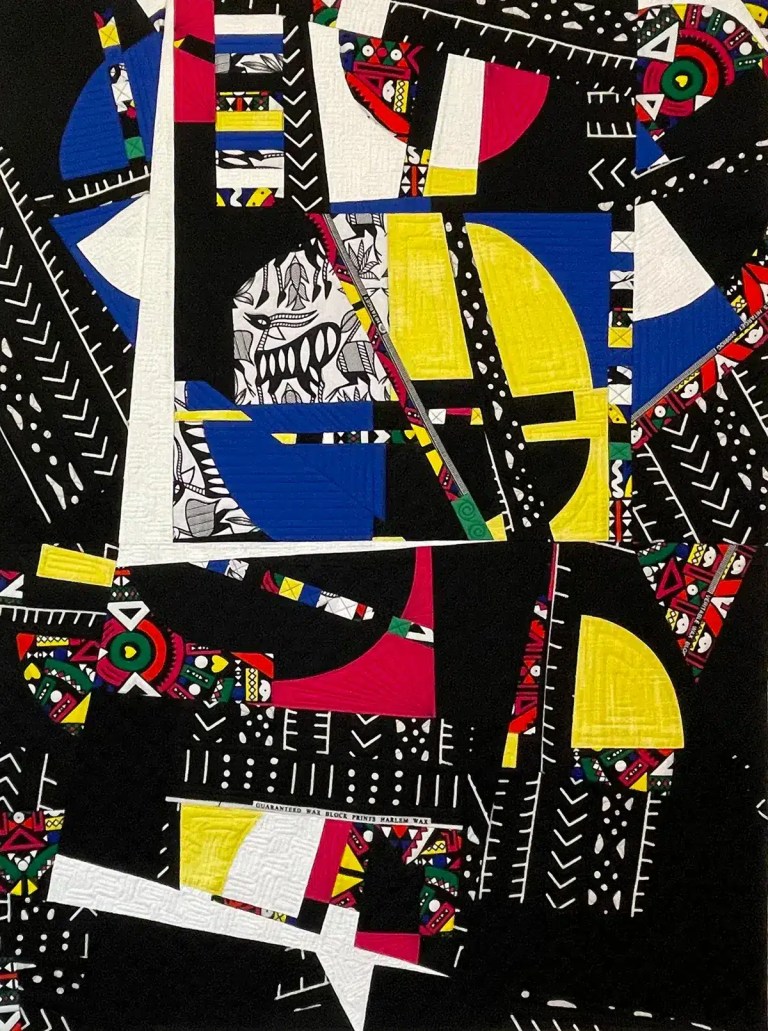
Diana, by Me (The AI Quilter)
Through every decade, quilting has adapted to reflect the world around it. It’s a tactile history—stitched with memory, meaning, and innovation. Whether made by hand or assisted by software, every quilt is part of a continuing legacy.
And while the tools may change, the heart of quilting remains the same: a deep desire to create, connect, and communicate—one stitch at a time.