More Essentials for Beginners to Know
Reading time: 3 minutes and 8 seconds
In this series, we’re tackling some of the essential basics of quilty goodness. Here are some more things you’ll want to make sure you’ve got on hand.
Fabric
Start with 100% cotton fabric – it’s easy to work with, durable, and comes in a zillion colors and patterns. Pre-cut fabrics like fat quarters or charm packs are great for beginners. Once you get the hang of it, you can start playing with different fabric types.
Not sure if the fabric is 100% cotton? Check out the end of the bolt. It will show you the material makeup of the fabric. Most quilt shops tend to carry 100% cotton.
Should You Pre-Wash Your Fabric?
Oh golly this is a biggie among quilters. There’s no right answer (although both sides will say there is). My opinion? if you want a crinkly “lived in” feel for your quilt, don’t pre-wash your fabric. Once you’re all done and it’s quilted, when you wash it the fabric will shrink up around your stitches and pucker here and there. I love the look.
If you’re making more of a wall hanging or art quilt that won’t often (or ever) be washed, pre-wash to make sure the fabric has shrunk … that way if you DO wash it later, it shouldn’t pucker around your quilting stitches.
Batting
Batting is the middle layer that gives your quilt warmth and texture. Cotton batting is a great choice for beginners – it’s easy to work with and gives a smooth, flat finish. Polyester batting is lighter and loftier, while wool batting is warm and breathable. Pick based on the end use of your quilt, and your budget. I sell batting by the yard on my site, and of course your local quilt shop will, too.
Thread
High-quality thread is important for both piecing and quilting. Cotton thread works well with cotton fabric and has a slight sheen that blends beautifully. Polyester thread is also strong and durable. Match the thread weight to your fabric and project – a 50-weight thread is a versatile choice. When piecing, it’s helpful to use a color that’s close to the colors of your fabric, but it is NOT critical. Avoid the common pitfalls—like, don’t use black thread when piecing white/light fabric—and aim for a neutral middle especially when you’re tackling a multicolor beast of a quilt.
Quilt Basting Spray or Safety Pins
Basting holds your quilt layers together before you start quilting. It’s a pain the kiester to do, but is NOT a step to be missed. It is truly essential. Quilt basting spray is a temporary adhesive that’s easy to use and reposition. Safety pins are another popular option, especially for larger quilts.
Marking Tools
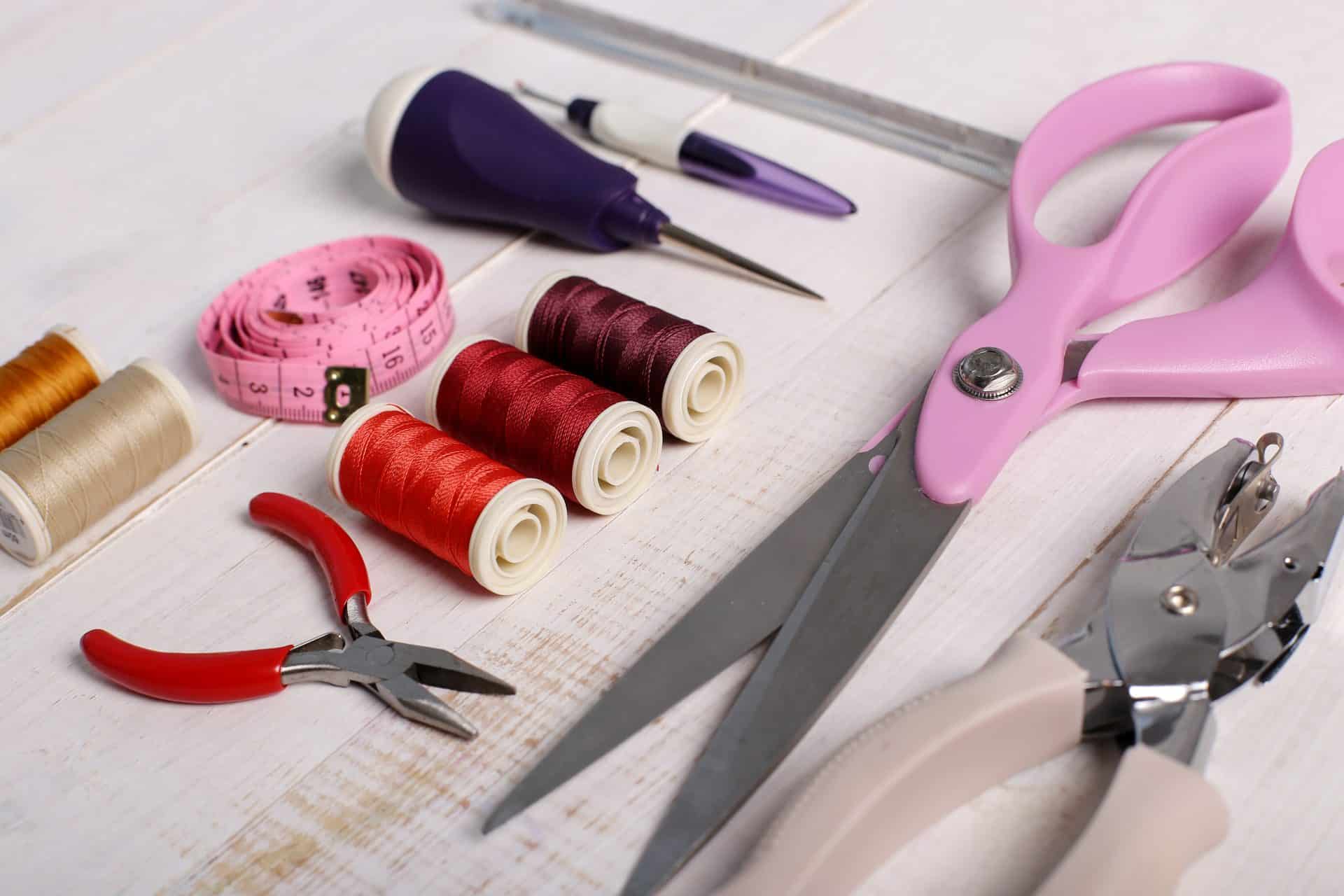
Fabric markers, chalk pencils, or hera markers help you draw precise lines for cutting or quilting. Choose markers that are easily washable and won’t damage your fabric. Always test on a scrap piece first. My current favorite thing to use is Crayola washable markers. But they’re only useful if you DO plan to wash the quilt after you’re all done.
A Warning
If you use a pen that ‘erases’ with heat … just know that the color will likely come back if the quilt gets cold. Even after washing. Many professional quilters learned this the hard way when shipping quilts via air to quilt shows—the low temperatures caused the ink to reappear in flight.

Hey there, I’m Theresa, The AI Quilter. I’m here to help you connect technology and creativity in ways that feel human, creative, and completely your own.