AI Art vs. Photography: Why This Debate Is So Last Century
Let’s talk about the shade AI-generated art gets—and why it sounds a lot like the early days of photography. You remember those critics, right? “It’s not real art. It’s just a machine.” Been there. Debunked that. I recently sat down with the incredible Karlee Porter, of Karlee Porter Design andHonest Fabric, and we got into the juicy stuff: how artificial intelligence in art is echoing photography’s rocky rise to legitimacy—and why that’s a good thing.
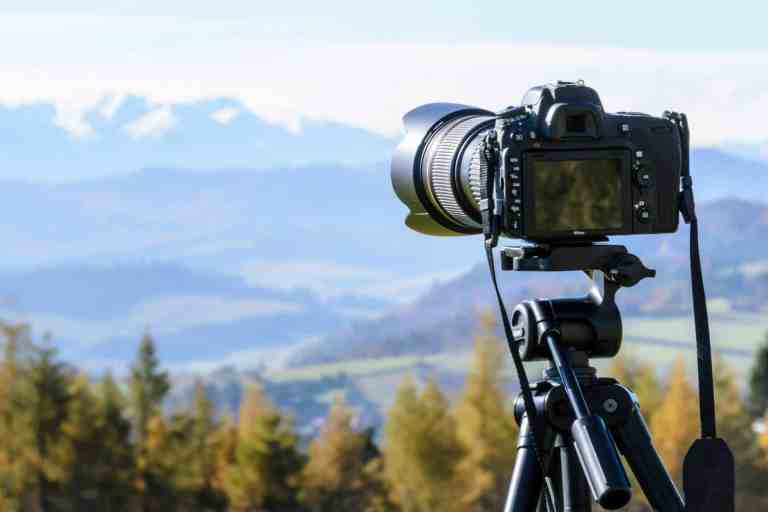
Photography wasn't considered art when it first arrived in the 19th century.
Photography’s Fight for Artistic Credibility
When photography emerged in the 1800s, people panicked. Painters feared for their easels. Critics claimed it was too easy, too mechanical. “Anyone can click a button,” they said. But they weren’t counting on artists like Ansel Adams and Dorothea Lange. These photographers mastered composition, light, emotion—and proved that the camera, like any tool, needs vision behind it. Sound familiar? AI art is living the same plot twist. Same doubts, same backlash. And the same eventual recognition is coming.
What Makes AI Art a Creative Skill?
Let’s be real: generating stunning AI art is not “just typing in a prompt.” It’s a process that demands clarity, creativity, and serious visual literacy. Here’s what makes AI art a legit creative discipline:
Prompt engineering: You’ve got to understand how to write detailed prompts that guide style, lighting, perspective, emotion, and composition.
Model mastery: Each AI art generator (like Midjourney, DALL·E, or Stable Diffusion) has different strengths. Knowing what tools to use—and when—is part of the craft.
Creative iteration: Great results don’t happen on the first try. The best AI artists experiment with dozens, even hundreds, of variations.
Curation and editing: Not every output is worth saving. Just like a photographer chooses the best shot from a roll of film, AI artists must curate their results.
Why AI Art Isn’t Replacing Artists—It’s Empowering Them
Some folks fear AI is going to replace human creativity. Nope. It’s a collaboration.
You bring the context, story, emotion.
AI brings speed, variation, surprise.
Together, you make something bold, fresh, and uniquely you. Sound familiar again? It should. Photography didn’t wipe out painting. It expanded the art world. AI will do the same—for quilting, illustration, storytelling, and beyond.
AI and Visual Literacy: Speak the Language of Light
Want dreamy cinematic lighting? A Dutch angle? Chiaroscuro drama? You’d better know how to say that in your prompt. AI art requires a solid grasp of visual language—and how to translate it into descriptive text. That’s why many of today’s top AI artists come from fields like fashion design, filmmaking, architecture, and yes—fiber arts. Their visual fluency makes the tech sing.
The Future of Creative Tools
AI art tools are just that—tools. They’re not a shortcut. They’re a new medium. A new lens. A new kind of brush. And just like photography, the early doubters will either catch up or get left behind. The real question isn’t whether AI art is valid—it’s how you’re going to use it to level up your creative practice.
AI gives a "voice" to human ideas. The art is in the collaboration.
Final Thread: Creativity Evolves—Let’s Evolve With It
I believe creativity is a craft—and AI is part of our ever-growing toolkit. Whether you’re behind a camera, sketching a quilt design, or building a prompt from scratch, the core remains: vision, intention, and expression.
Let’s stop gatekeeping creativity. AI art isn’t about replacing artists—it’s about amplifying them.
📚Want to learn how to write better prompts and bring your ideas to life? Check out my book Digital Muse for a deep dive into the creative power of AI.